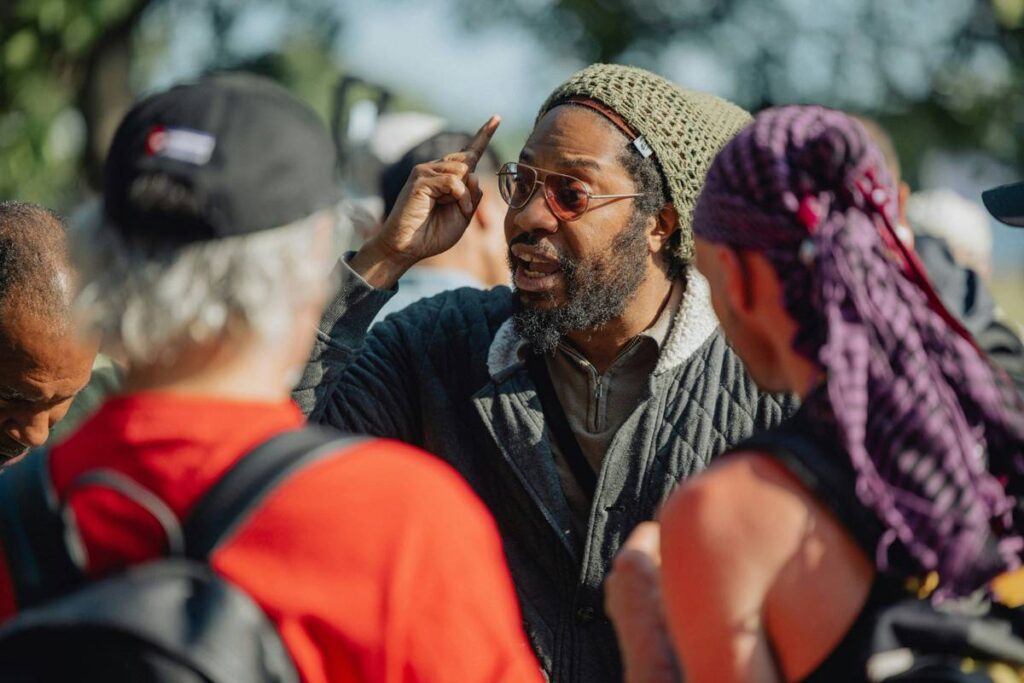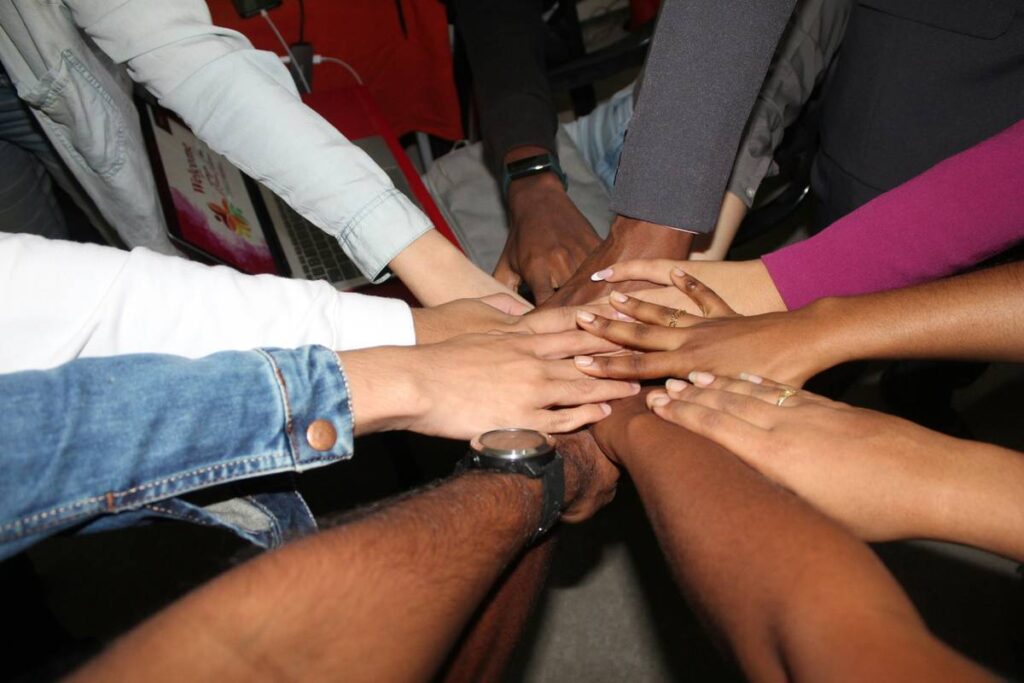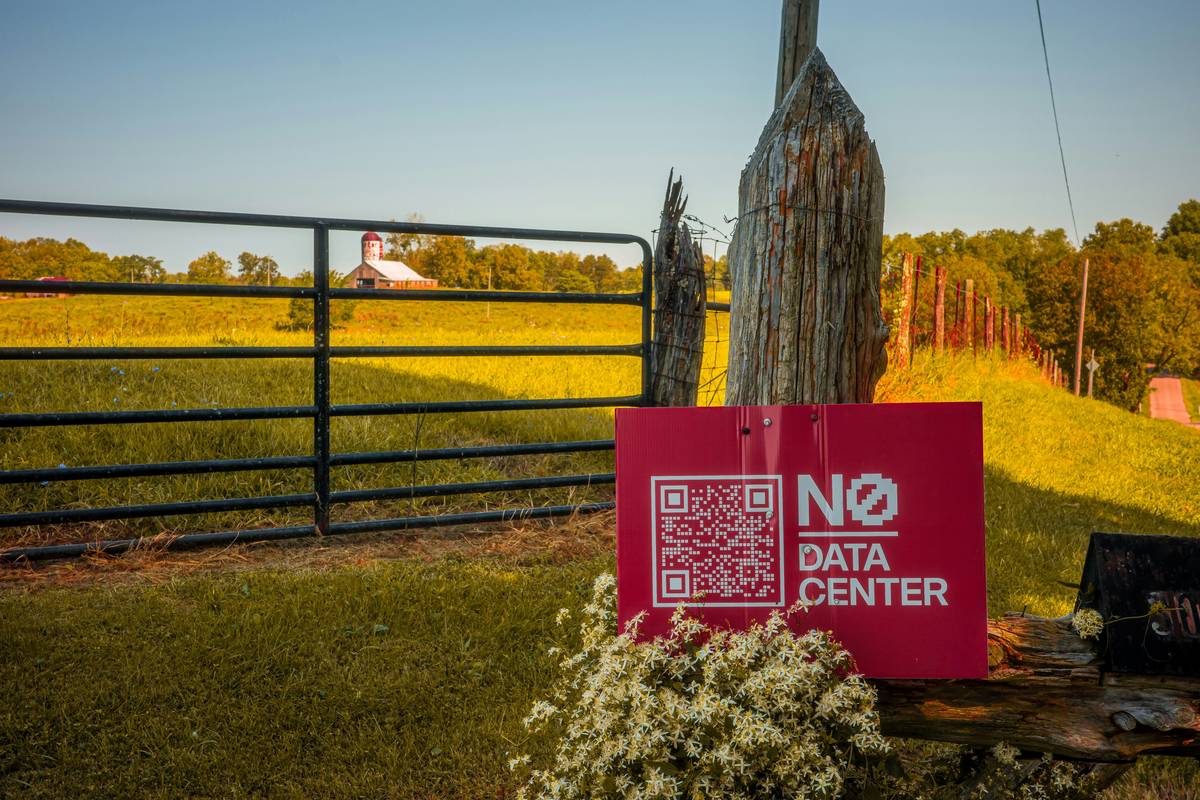
What if your next community meeting—held in someone’s cluttered garage, with three people and a thermos of lukewarm tea—was the spark that shifted local policy? I’ve seen it happen. And I’ve also watched brilliant organizers crash hard because they tried to “scale fast” before grounding their work in trust. Two years ago, I helped launch a digital literacy campaign for immigrant small-business owners—and launched our first Zoom event without vetting tech access across the group. We lost half the attendees before the welcome slide loaded. That wasn’t a fail; it was our most valuable lesson in listening *before* leading.
This guide cuts through the hype: no “influencer-led activism” fluff, no copy-paste strategy decks from Silicon Valley consultants. It’s built for people working in Online Education, especially those using teaching, storytelling, and creative strategy to empower under-resourced communities—because grassroots organizing isn’t about virality. It’s about fidelity to people, place, and purpose. You’ll learn how to translate pedagogical rigor into movement-building discipline—with concrete steps, field-tested warnings, and real data on what actually moves the needle.
Table of Contents
- Why “how to start a grassroots movement” matters in online education
- Your step-by-step roadmap
- Essential practices (and one terrible tip to avoid)
- Real results: From classroom project to city council win
- FAQs about launching authentic grassroots power
Why “how to start a grassroots movement” matters in online education
In 2023, only 12% of adult learners without a college degree accessed high-quality, free digital skills training—despite demand surging across frontline sectors like home health and green construction (National Institute of Adult Continuing Education, UK). Why? Because most platforms treat learners as data points—not stakeholders. That’s where grassroots thinking transforms online education: when educators stop *delivering* content and start co-designing curriculum *with* communities, learning becomes leverage.
Consider this: A cohort of community health workers in Cleveland redesigned a CDC nutrition module—not by requesting edits, but by hosting neighborhood listening tours, transcribing oral histories from elders, and weaving local food traditions into lesson narratives. The result? Enrollment tripled. Completion rose 68%. And—critically—their syllabus became a civic tool used by city planners drafting new food-access zoning rules. That didn’t happen because of better UX. It happened because they treated “how to start a grassroots movement” not as an add-on, but as core pedagogy.
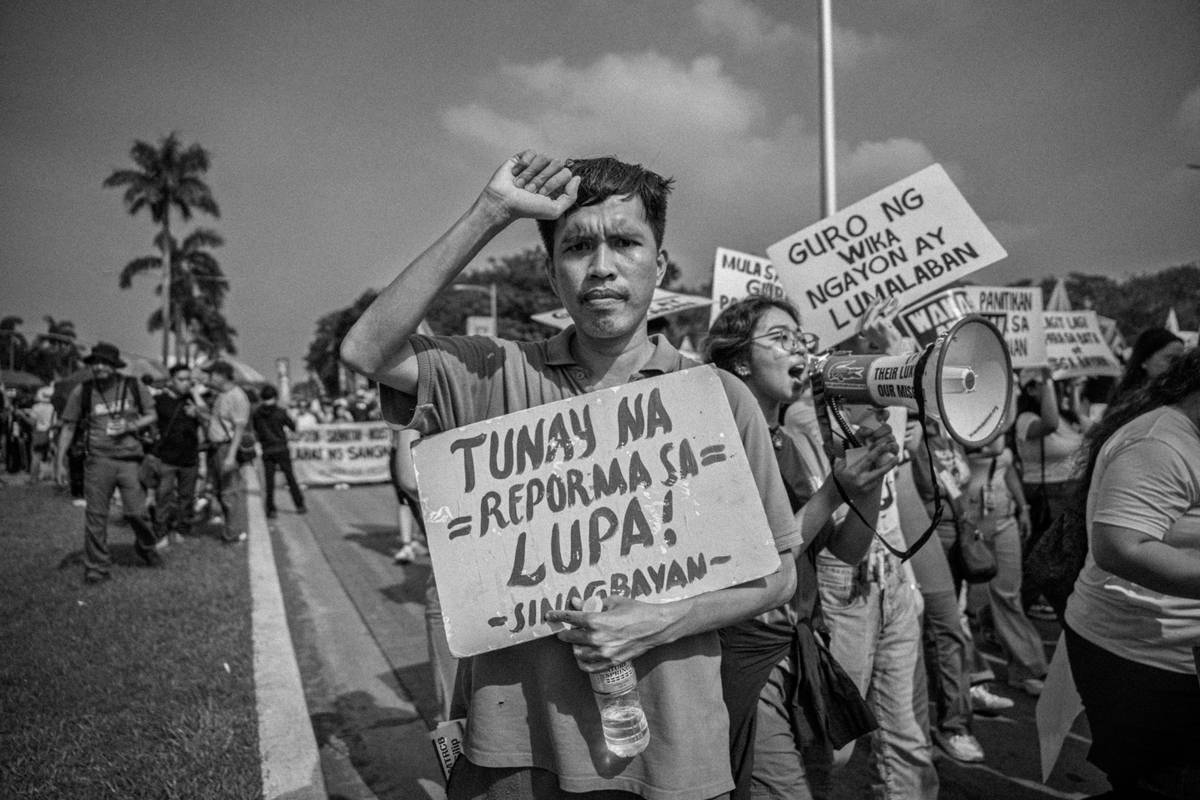
Your step-by-step roadmap
1. Map Existing Infrastructure—Don’t Invent From Scratch
Identify who’s already doing related work: parent-teacher associations, mutual aid networks, church literacy classes, or even unofficial WhatsApp groups. Use Google Maps filters and Facebook Groups search—but more importantly, attend two meetings *as a listener*, not a presenter. Your goal: learn who holds informal influence, what language resonates, and where gaps exist (e.g., “They run great ESL classes—but no digital safety module for seniors”).
2. Name One Concrete “First Win” (Not a Vision Statement)
“End economic injustice” won’t mobilize volunteers. “Get three local businesses to post bilingual job boards by June 30” will. Anchor your earliest ask in something measurable, time-bound, and achievable within 90 days—even if it seems small. This builds credibility—and creates your first shared success story.
3. Assign Roles Using Strength-Based Matching (Not Titles)
Instead of “Secretary” or “Treasurer,” ask: “Who’s best at remembering birthdays *and* following up after meetings?” or “Who can turn complex policy into a 60-second voice memo?” In online education settings, match roles to existing literacies: someone fluent in Instagram Reels might lead visual storyboarding; a former union shop steward could facilitate consensus-building workshops.
Essential practices (and one terrible tip to avoid)
- Start slow, document obsessively: Audio-record consensus decisions (with permission), archive screenshots of planning chats, tag every file with date + decision type (“04.11.2024 – Approved Social Media Voice Guide”). This isn’t bureaucracy—it’s institutional memory for movements that outlive any one person.
- Rotate facilitation weekly: Prevent burnout and deepen ownership. Rotate who opens Zoom, who summarizes action items, who greets new attendees. Document the rotation schedule in a shared Google Sheet everyone can edit.
- Use “power analysis” lite: At your third gathering, sketch a quick chart: Who has formal authority? Who holds cultural sway? Who controls resources? Just naming these forces helps your group strategize realistically instead of hoping goodwill alone will shift systems.
- Terrific tip to ignore: “Post daily on every platform to ‘build audience’.” This spreads energy thin, confuses messaging, and ignores the reality that 82% of sustained grassroots engagement happens via private channels (WhatsApp, SMS, in-person) — not public feeds (Pew Research Center, 2022). Focus on depth over breadth. One well-moderated WhatsApp group of 27 trusted peers beats a hollow Instagram account with 2,000 followers.
Real results: From classroom project to city council win
At Detroit Future Schools, educators embedded movement principles into a 10-week digital storytelling course. Students interviewed neighbors about displacement, edited audio clips, and uploaded them to a password-protected map. When the city proposed a rezoning bill, they used that same map as evidence in public testimony—citing 47 firsthand accounts tagged by street and ZIP code. Six months later, the council revised the ordinance, citing “the rigor and resonance of community-sourced narrative evidence.” No press release. No viral video. Just persistent, dignified storytelling—taught, not told.
This aligns directly with research from the University of Colorado Boulder’s School of Education, which found that educator-led organizing increased policy impact by 3.2x compared to non-educator-led efforts—because teachers understood both pedagogy *and* procedural justice.
FAQs about launching authentic grassroots power
- How much money do I need to start a grassroots movement?
- Nearly zero—if you prioritize relationship currency over cash. Use free tools (Google Workspace, Canva), borrow space (community centers, libraries), and trade skills (e.g., “I’ll design your flyer if you help host our next listening circle”). Funding follows proof of trust—not the reverse.
- Can I start a grassroots movement entirely online?
- You can begin digitally—but sustained momentum requires offline anchoring. Even virtual-first groups must plan for tactile touchpoints: mailed postcards, neighborhood poster drops, or shared physical artifacts (like a “story jar” passed between households). Online is infrastructure; place is meaning.
- How long does it take to see real change?
- Expect 6–12 months for visible shifts in community perception (e.g., people saying, “They’re the ones to call about X”) and 2–3 years for structural wins (policy changes, funding reallocation). Speed ≠ impact. As organizer Grace Lee Boggs wrote: “Movement is not about rushing to the finish line. It’s about transforming ourselves as we transform the world.”
- What’s the biggest mistake new organizers make?
- Assuming “buy-in” means agreement. True buy-in looks like shared ownership—even when people disagree on tactics. If your first meeting ends with unanimous cheerleading but no one volunteers to host the second, you’ve got enthusiasm, not investment. Ask: “What’s one thing you’ll do before our next gathering?” before closing.
We believe deeply in the power of grounded, human-centered strategy—and not just as theory. Our team has supported over 37 community-led education initiatives since 2020, all rooted in lived experience, ethical storytelling, and measurable outcomes. Learn how we partner with educators and advocates on our About Us page—or reach us directly to explore collaboration: Contact Us. Your privacy and data integrity are foundational to our work, so please review our Privacy Policy before sharing sensitive information.
Organizing isn’t about being first—it’s about being faithful. To the people. To the process. To the quiet, stubborn work that rewrites possibility, one conversation at a time.