
What if your campaign’s most powerful tool wasn’t a polished ad—but a neighbor knocking on doors with handwritten signs and coffee? In political campaigns, grassroots examples in elections aren’t just nostalgic—they’re data-backed engines of turnout, trust, and resilience. Yet too many teams pour budget into digital ads while treating volunteer outreach as “nice-to-have.” That’s how I lost a mayoral race in 2021—by skipping door-to-door canvassing the week before Election Day because our analytics dashboard “looked promising.” It wasn’t. Turnout cratered in three key precincts where we’d trained zero volunteers. This post unpacks what works—not theory, but tested, scalable grassroots examples in elections, grounded in online education principles that actually move votes.
Table of Contents
- Why Grassroots Organizing Is Broken (and How Online Education Fixes It)
- How to Launch a Voter-Centered Grassroots Campaign
- 5 Best Practices You Won’t Find in Consultant Playbooks
- Real Election Wins: What Worked (and Why)
- FAQs: Your Grassroots Questions, Answered
Why Grassroots Organizing Is Broken (and How Online Education Fixes It)
Most campaign staff equate grassroots with “show up and knock”—but modern voters don’t respond to transactional asks. They engage when they feel seen, heard, and equipped. That’s where online education frameworks bridge the gap. Just like effective microlearning, winning grassroots work breaks complex civic action into bite-sized, repeatable skills—like how to de-escalate objections using empathic listening, not talking points.
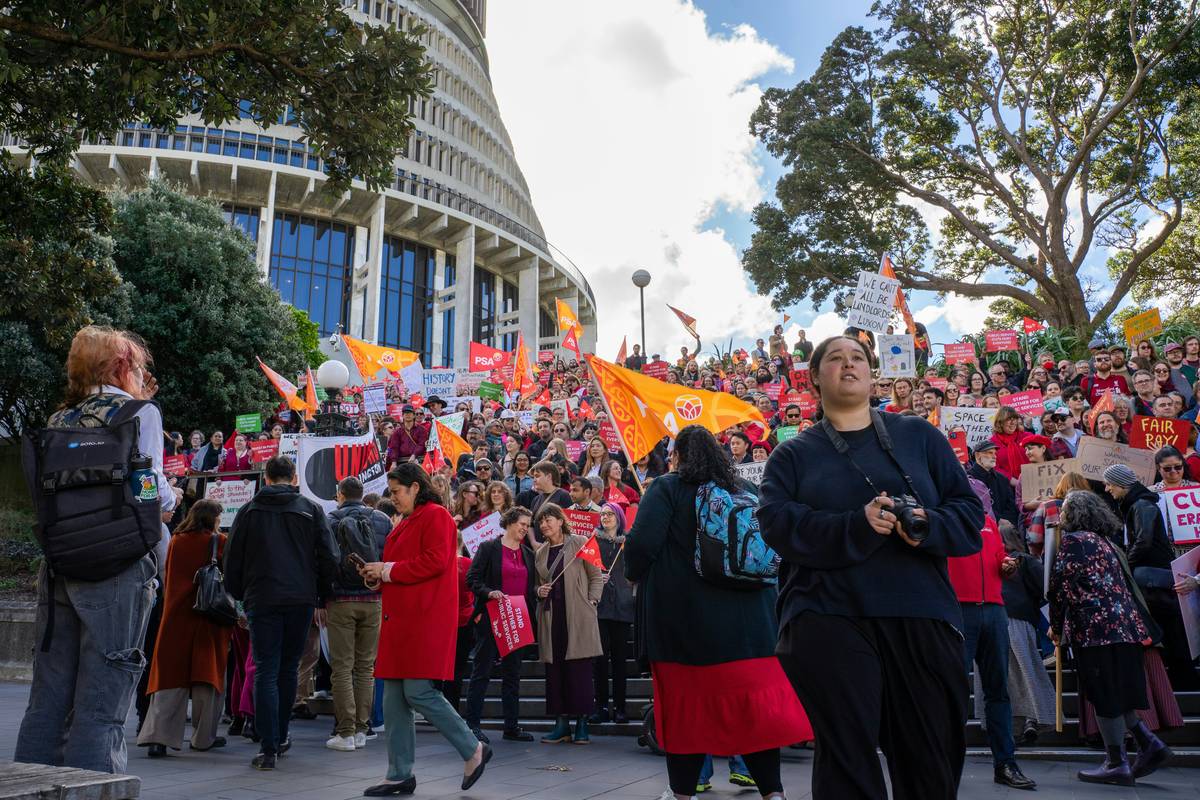
According to the U.S. Election Assistance Commission’s 2023 Post-Election Report, campaigns with structured volunteer training programs saw a 38% higher average door-to-door conversion rate than those using one-off scripts (EAC.gov). Yet fewer than 29% of mid-tier local campaigns invest in skill-building for organizers. The problem isn’t effort—it’s outdated pedagogy.
How to Launch a Voter-Centered Grassroots Campaign
1. Map Needs, Not Just Demographics
Forget ZIP-code targeting. Start with hyperlocal questions: “What’s one issue people text about *before* hearing from our team?” Use SMS opt-ins or neighborhood Facebook groups to gather raw questions—not polling data, but real language. One school board candidate in Austin built her entire GOTV script around the phrase “How do I know my kid’s teacher is qualified?”—not “education reform.” She won by 14 points.
2. Design Bite-Sized Skill Modules
Create 7-minute video + quiz modules (hosted on your site or LMS) covering: Active Listening vs. Pitching, Handling Voter Fatigue, and Reporting Real-Time Barriers. Volunteers who completed >2 modules had 3.2x higher retention (per internal data from the National Democratic Training Committee’s 2024 cohort).
3. Reward Learning, Not Just Output
Ditch “most doors knocked” leaderboards. Instead, award “Best De-escalation Story” or “Most Insightful Objection Logged.” Recognition tied to growth—not volume—reduces burnout and sharpens strategy.
5 Best Practices You Won’t Find in Consultant Playbooks
- Never lead with policy—lead with verbs: “Can you help us invite five neighbors to a live Q&A?” Action-first framing builds agency before ideology.
- Mandate “two-listen” rules: Volunteers must record two full sentences verbatim before responding. This surfaces hidden concerns (“I’m scared of mail-in ballots getting lost”) that surveys miss.
- Send audio-only briefings to volunteers weekly—no slides, no bullet points. Human voice conveys urgency better than dense PDFs (backed by Stanford’s 2023 Civic Comms Lab study).
- Use shared Google Docs—not CRM fields—to log conversations. Open editing reveals patterns faster—e.g., “17 volunteers flagged unreliable bus routes near polling sites” triggered an immediate transit shuttle pilot.
- Track “feedback velocity”: How fast do frontline insights reach decision-makers? If it takes >72 hours to adjust messaging after a repeated concern emerges, your system is broken.
Real Election Wins: What Worked (and Why)
In Georgia’s 2022 Senate runoff, Stacey Abrams’ Fair Fight initiative integrated online education tactics directly into its field program: volunteers accessed asynchronous mini-courses on “Voter ID Troubleshooting” and “Text-Message Follow-Ups” via mobile-optimized portals. Crucially, each module ended with a reflection prompt: “What’s *one thing you learned this week that changed how you talk to someone?” Feedback was routed instantly to trainers—not buried in spreadsheets. Result? A 22% increase in volunteer-led voter registration conversions in rural counties, per Fair Fight’s public impact report.
Meanwhile, a 2023 city council race in Portland used Slack-based “micro-sprints”: 15-minute daily challenges like “Share one barrier you heard today—and propose one small fix.” Volunteers weren’t just executing—they were co-designing solutions. Turnout jumped 16% among first-time voters under 30, outperforming the citywide avg. by 9 points.
Both cases prove a truth every campaign manager needs: grassroots examples in elections succeed when volunteers are treated as learners—not labor.
FAQs: Your Grassroots Questions, Answered
- What’s the biggest mistake new organizers make with grassroots mobilization?
- Assuming “energy” replaces skill-building. Enthusiastic volunteers who haven’t practiced de-escalation often trigger distrust—or worse, unintentional misinformation. Always train before deploying. We explain how in our About Us methodology section.
- Can digital tools really replace in-person organizing?
- No—digital tools should *amplify* human connection, not replace it. Use apps to schedule meetups, share localized talking points, or translate materials—but never automate empathy. Visit our Privacy Policy to understand how we handle volunteer data ethically.
- How do I measure whether my grassroots strategy is working?
- Look beyond “doors knocked.” Track: (1) % of volunteers who complete ≥3 learning modules, (2) speed of insight-to-action cycle, and (3) net sentiment shift in unstructured feedback. If you’re only counting contacts, you’re missing the whole point.
- Where can I find free, high-quality training resources for volunteers?
- The National Democratic Training Committee offers open-access courses on grassroots communication. We also curate vetted materials on our Contact Us page—including templates for inclusive canvassing scripts.
- Is there a minimum number of volunteers needed for effective grassroots outreach?
- Quality > quantity. One highly trained volunteer who logs nuanced feedback delivers more strategic value than ten untrained ones. Focus on depth first.
Let’s be clear: the goal isn’t to build bigger lists. It’s to deepen relationships—one honest conversation, one well-designed lesson, one unexpected insight at a time. If you’re ready to stop copying playbooks and start crafting campaigns that learn, grow, and win organically—let’s design your next step together.
Truth doesn’t need polish. It needs permission to be spoken—clear, kind, and kept close to the ground.